
Your Medical Scan Checklist: What to Bring and How to Prepare
If you have symptoms such as pain, swelling, weakness, discomfort, or unexplained bleeding, your doctor may recommend a medical scan to identify the cause. Whether you are scheduled for an MRI, CT scan, ultrasound, or X-ray, understanding what to expect and how to prepare can make the experience less stressful and ensure the scan is completed safely and effectively.
Common Types of Scans
1. MRI Scans
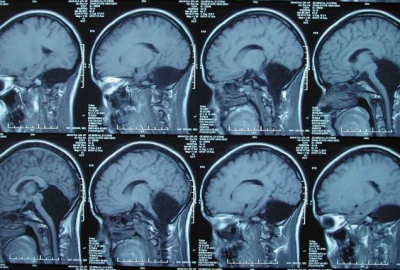
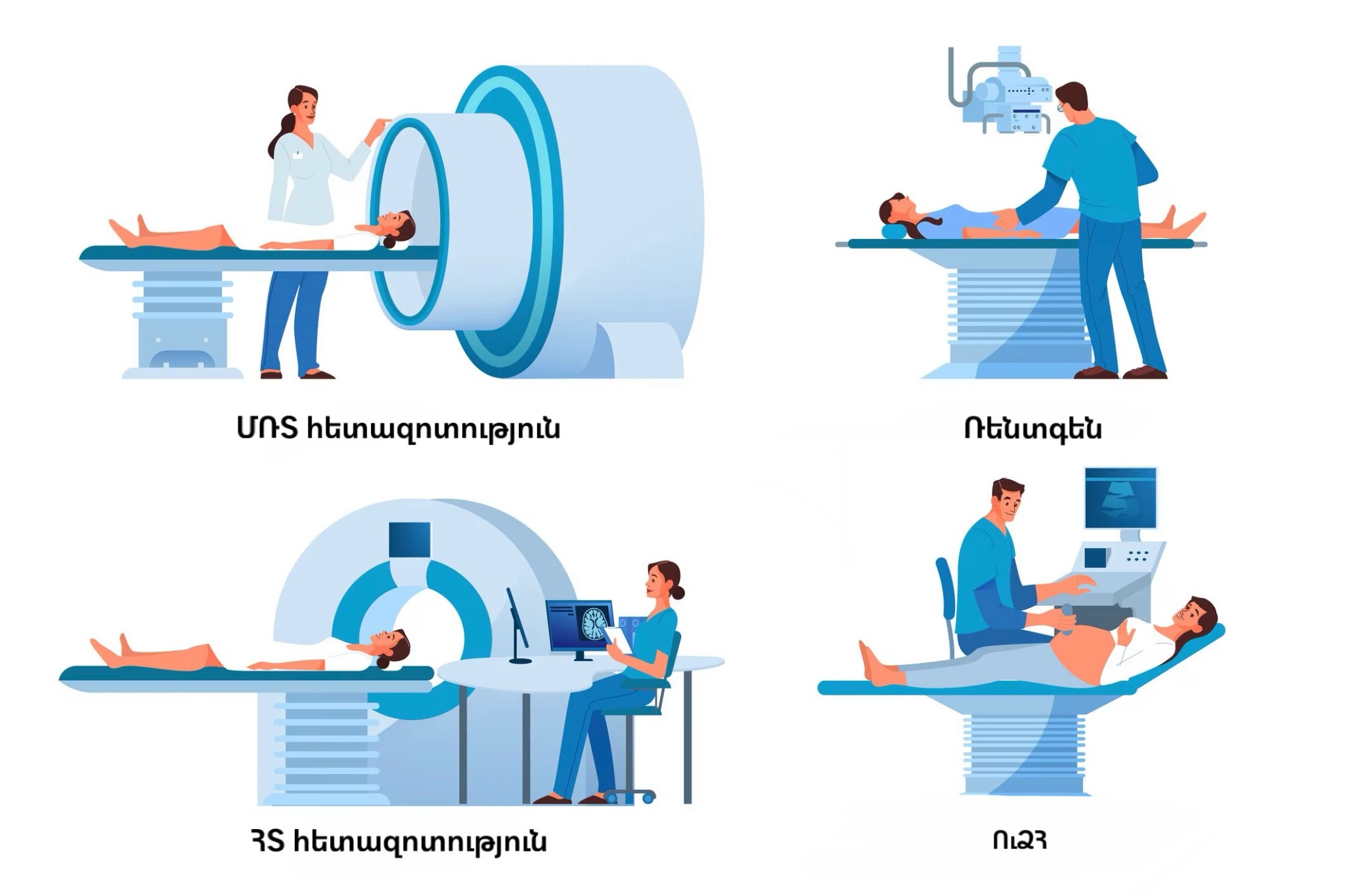
Magnetic Resonance Imaging (MRI) uses powerful magnets and radio waves to produce highly detailed images of the body's organs, soft tissues, muscles, and bones without using ionising radiation. MRI scans are commonly used to detect tumors, tissue damage, neurological disorders, and injuries. During the procedure, you lie on a table that slides into a tube-shaped scanner, which produces loud knocking and buzzing sounds while capturing images. Some people may feel uncomfortable in the enclosed space, but the scanner allows two-way communication with the care team, who can pause the scan if needed.
2. CT Scans
A Computed Tomography (CT) scan combines X-rays with computer technology to create detailed cross-sectional images of the body's internal structures, including organs, blood vessels, and bones. CT scans are particularly useful for detecting fractures, internal injuries, blood vessel problems, and abnormal growths. The scanner consists of a large ring through which the examination table moves. Because CT scans use ionising radiation, they are generally avoided during pregnancy unless the benefits outweigh the risks.
3. Ultrasound Scans
Ultrasound scans use high-frequency sound waves rather than radiation to produce images of internal organs and soft tissues. They are commonly used to examine the abdomen, pelvis, muscles, tendons, ligaments, and developing babies during pregnancy. Since the images are created in real time, ultrasound is also useful for assessing movement and muscle function. The procedure is performed using a small handheld device that moves over the skin and is considered completely safe during pregnancy.
4. X-Rays
X-rays use low doses of ionising radiation to produce images of the bones and/or lungs. They are widely used to diagnose fractures, bone deformities, lung infections, collapsed lungs, and certain cancers. Because bones absorb more radiation than soft tissues, they appear clearly on X-ray images. As with CT scans, X-rays are generally not recommended during pregnancy unless absolutely necessary.
How To Prepare For Different Types Of Scans
Upon arrival, you will be asked to confirm your personal details and complete a health questionnaire. This allows the healthcare team to determine whether the scan and any contrast agent can be used safely. It is important to inform the staff if you are pregnant, have allergies, kidney problems, metal implants, pacemakers, aneurysm clips, or any other implanted medical devices. Depending on the type of scan, you may be asked to fast for several hours or receive a contrast agent, either by injection or orally, to improve the quality of the images. Some bowel scans may also require a laxative before the examination.
Choosing Comfortable Clothing
Patients should wear loose, comfortable clothing that contains no metal, including zippers, buttons, underwires, or clasps. Before the scan, all jewellery, watches, hair accessories, piercings, and removable medical devices containing metal should be taken off because they can interfere with image quality. If necessary, patients will be provided with a hospital gown for the examination.
Managing Personal Items And Valuables
It is best to leave valuable belongings at home whenever possible. If you need to bring items such as a phone, wallet, or jewellery, they can usually be stored securely at the imaging facility or left with a trusted family member or friend during the scan.
Dietary Considerations Before A Scan
Most MRI scans, CT scans, ultrasounds, and X-rays allow patients to eat and drink normally unless specific instructions are provided. If a contrast agent is required, patients are often asked not to eat for at least four hours before the procedure while continuing to drink clear fluids. Certain scans, such as heart scans, may require avoiding caffeine beforehand, while abdominal or bladder scans often require drinking water to improve image quality. Patients taking bowel preparation should also drink extra fluids to prevent dehydration.
Relaxation Techniques For Scan Day
Feeling nervous before a scan is common. Learning about the procedure beforehand, reading reliable patient information, and discussing concerns with the healthcare team can reduce anxiety. Bringing a friend or family member for support may also help. During the scan, patients should remain as still as possible to ensure clear images. Breathing exercises, mindfulness, and relaxation techniques can make the experience more comfortable. If discomfort or panic occurs, patients should inform the care team, who can pause or stop the scan if necessary.
Final Preparation: Double-Check Your List
Before going for the examination, make sure you have all necessary medical documents, information about implants, insurance details, and a valid identification document. Wear comfortable clothing without metal elements, remove all metal objects, and follow any dietary or fluid intake instructions given by your doctor. Being well prepared helps ensure the examination is safe, quick, and provides the highest quality results.
Source: Vista Health