
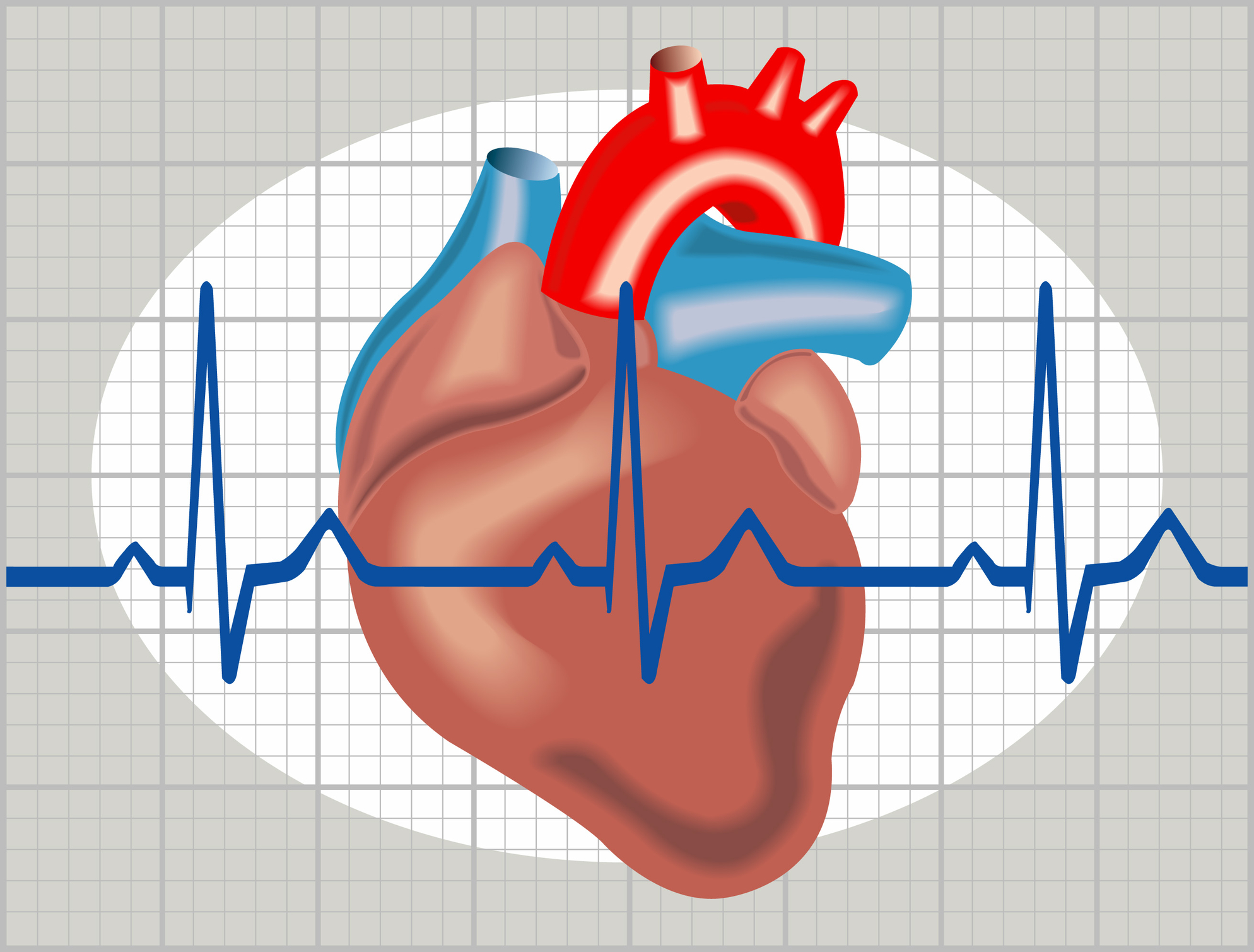
Heart arrhythmia, also known as cardiac arrhythmia, is a disorder in which the heart beats irregularly because the electrical signals that control the heartbeat do not work properly. As a result, the heart may beat too quickly, too slowly, or in an abnormal rhythm. While some arrhythmias are harmless and may not cause any symptoms, others can lead to serious health complications, including stroke, heart failure, and sudden cardiac death.
People with arrhythmia may experience symptoms such as a fluttering, pounding, or racing heartbeat, chest pain, shortness of breath, dizziness, fatigue, sweating, anxiety, or fainting. However, some individuals remain symptom-free and only discover the condition during a routine medical examination.
Arrhythmias are generally classified according to heart rate. Tachycardia refers to a heartbeat faster than 100 beats per minute, while bradycardia describes a heartbeat slower than 60 beats per minute. Common forms of tachycardia include atrial fibrillation (AFib), atrial flutter, supraventricular tachycardia, ventricular tachycardia, and ventricular fibrillation. AFib is one of the most common types and is closely linked to an increased risk of stroke. Ventricular fibrillation is the most dangerous form, as it prevents the heart from pumping blood effectively and can cause sudden cardiac arrest within minutes if not treated immediately.
A variety of factors can contribute to the development of arrhythmias. These include coronary artery disease, previous heart attacks, high blood pressure, cardiomyopathy, diabetes, thyroid disorders, sleep apnea, COVID-19 infection, electrolyte imbalances, smoking, excessive alcohol or caffeine consumption, stress, and the use of certain medications or illicit drugs. Individuals with existing heart conditions or a family history of heart disease are often at greater risk.
Treatment depends on the type and severity of the arrhythmia and may involve medications, pacemakers, catheter-based procedures, or surgery. In some cases, blood-thinning medications are prescribed to reduce the risk of stroke. Experts also stress the importance of prevention through healthy lifestyle habits, including regular physical activity, a balanced diet low in salt and saturated fats, maintaining a healthy weight, managing stress, getting adequate sleep, and avoiding tobacco use.
Although many arrhythmias can be successfully managed, medical attention should be sought immediately if symptoms such as chest pain, severe shortness of breath, or fainting occur, as these may signal a life-threatening heart rhythm disorder.