
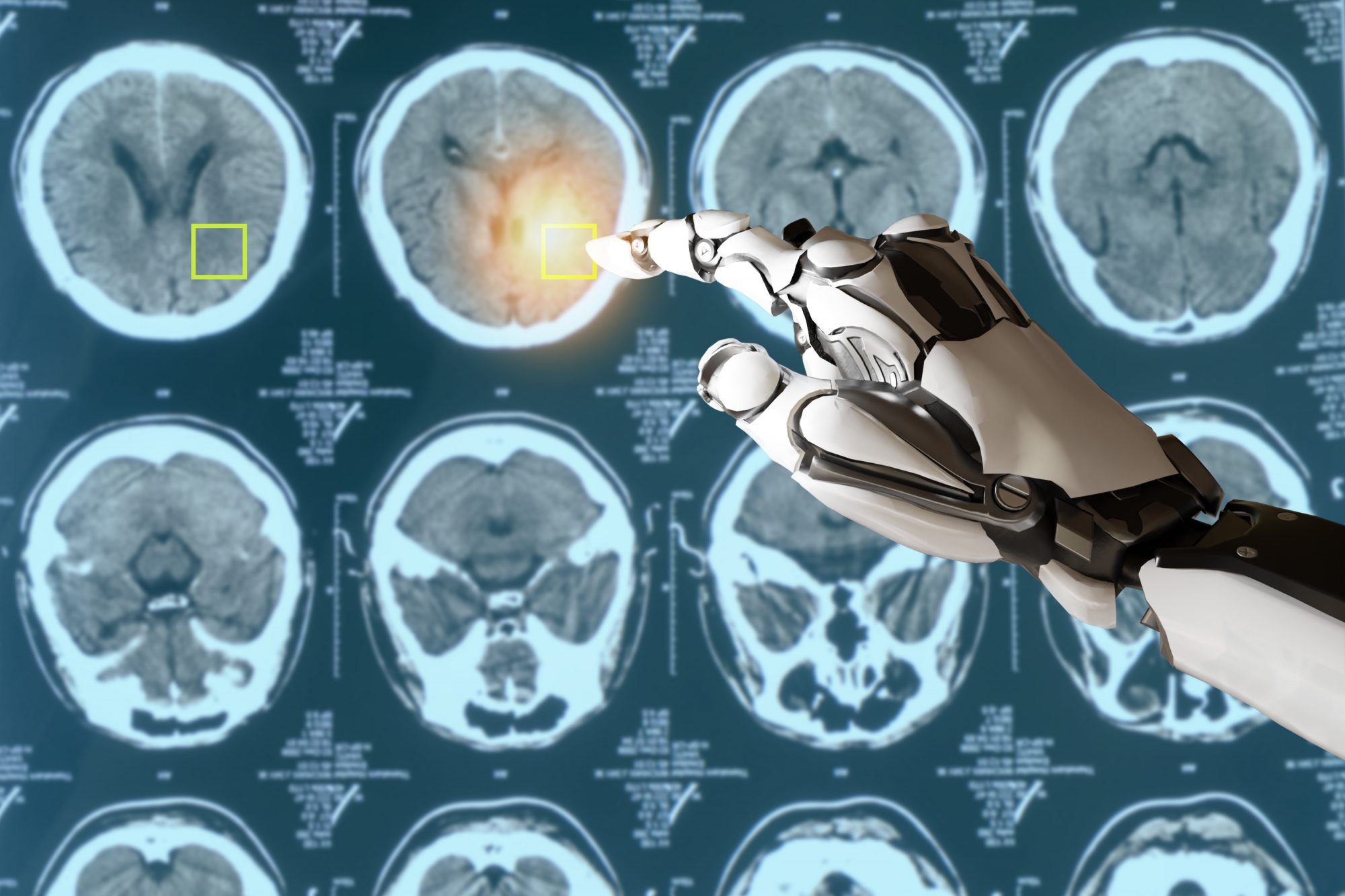
Meningiomas are the most common primary brain tumors in adults. Their behavior can vary considerably: some tumors grow slowly and do not recur after treatment, while others are more aggressive and carry a high risk of recurrence. Recent studies suggest that artificial intelligence (AI) can help physicians more accurately assess tumor characteristics and predict the future course of the disease.
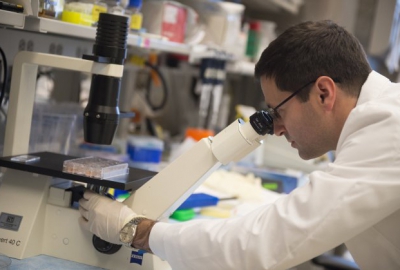
Researchers at Mayo Clinic, together with collaborators, developed an AI-based tool that analyzes standard pathology slides and provides important information about tumor biology. The study, published in The Lancet Digital Health, is based on the use of deep learning models. These models can extract molecular and prognostic information from routine hematoxylin and eosin (H&E)-stained slides. Such information is typically obtained through DNA methylation profiling, a complex genetic test that is expensive, time-consuming, and unavailable in many healthcare facilities.
The study utilized tissue samples, pathology images, and clinical data from 672 patients. The AI models were able to classify meningioma subtypes and predict the risk of recurrence using standard histological slides that are already employed in everyday clinical practice. In addition, the models identified signs of tumor heterogeneity, helping to explain why some tumors behave more aggressively or respond differently to treatment.
The authors emphasize that further prospective studies and rigorous validation are required before the technology can be implemented in routine clinical practice. Nevertheless, the findings indicate that, in the future, artificial intelligence may make critical tumor-related information more accessible and support more accurate, personalized treatment decisions for patients with meningiomas.